
As we move into the final quarter of 2026, the aesthetic landscape is undergoing a profound transformation. We are witnessing a clear pivot away from the traditional, volume-centric approach to facial rejuvenation and toward a philosophy of "Biological Restoration." This shift is fundamentally changing how practitioners in both the UK and South Korea construct long-term treatment plans, focusing on the underlying health and structural integrity of the skin rather than immediate, temporary volumization.
The Shift to Biological Restoration
The contemporary aesthetic patient is increasingly educated, seeking results that appear natural and sustainable. This has driven a transition from relying solely on synthetic dermal fillers toward regenerative injectables that actively improve the skin’s biological environment. By prioritising the health of the extracellular matrix (ECM) and skin barrier, practitioners are finding that they can achieve superior aesthetic outcomes that age gracefully with the patient.
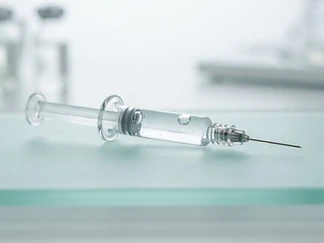
This trend is best exemplified by the global rise of regenerative staples like polynucleotides (PDRN) and exosomes. Once considered niche, these treatments are now essential components of the modern practitioner’s arsenal. They serve as foundational therapies that prime the skin, ensuring that any subsequent structural enhancements are supported by healthy, resilient tissue.
Innovation in ECM Injectables
Looking toward the vanguard of research in South Korea, the industry is exploring the next frontier: human-derived extracellular matrix injectables. Unlike traditional fillers that fill space, these innovative products are designed to physically restore the architecture of the dermis, encouraging the body to repair itself at a cellular level.
While this represents an exciting leap forward in regenerative medicine, it also places a premium on practitioner education. As these advanced products make their way into clinical workflows, understanding the nuances of injection depths, patient selection, and potential regulatory implications—particularly regarding human-derived substances—is essential for maintaining the highest standards of safety and efficacy.
Maximising Patient Outcomes with Bundled Protocols
Efficiency is the hallmark of the 2026 aesthetic clinic. Patients are increasingly looking for "lunchtime" protocols that combine muscle toning, contouring, and skin quality improvement into a single, seamless session.
Clinics that successfully bundle these technologies—for instance, pairing energy-based lifting devices with post-procedure regenerative injections—are seeing higher patient retention rates. Furthermore, the rising importance of post-procedure aftercare cannot be overstated. Curating specialized, procedure-specific topical regimens allows practitioners to not only enhance the longevity of their clinical results but also to provide a comprehensive, high-touch experience that builds long-term patient loyalty.
As we look toward the end of the year, the most successful clinics will be those that view themselves as partners in their patients' long-term skin health, rather than just providers of one-off injections. By embracing the regenerative trend, integrating efficient, multi-modal protocols, and championing the importance of evidence-based aftercare, practitioners can stay at the forefront of this evolving industry.